GEORGIAN WINE CULTURE
8,000 years of wine — and a tradition still alive
From ancient clay vessels to the family tables of Kakheti, Georgian winemaking is a living culture. Discover the story of qvevri, native grapes and the people who keep these traditions alive today.
Sighnaghi, Kakheti · Hosted personally by the ROKA family
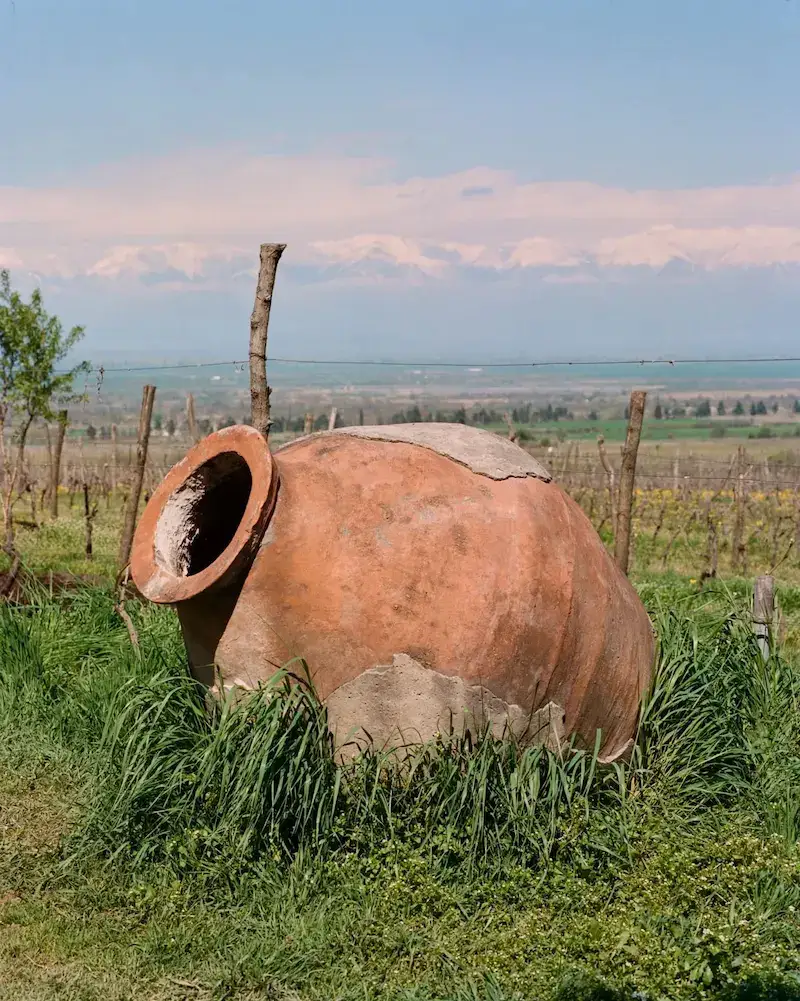
AN ANCIENT CRAFT, STILL ALIVE
Why Georgian wine history is not simply a story in a museum
Georgia is home to some of the earliest evidence of winemaking, reaching back around 8,000 years. Clay vessels and grape remains reveal an extraordinary relationship between people, place and fermentation. Yet the most memorable part of this heritage is not the date: it is that Georgian families continue to make, share and discuss wine in the same landscape.
At ROKA NATURALS in Kakheti, a conversation about history begins with something tangible — native grapes, a qvevri in the cellar and the choices a working winemaker makes today.
Qvevri: more than a clay container
A qvevri is a large earthenware vessel, traditionally buried in the ground. It can be used for fermentation and maturation, with the earth helping to moderate temperature changes. Its use is central to Georgia’s living wine culture.
Amber wine from white grapes
Skin contact is part of many Georgian methods. When white grapes ferment with skins, their wine can become amber in colour, gaining structure, aroma and tannin. The result depends on the grape, time and decisions in the cellar.
Native grapes, different personalities
Rkatsiteli is famous for fresh white and skin-contact styles. Saperavi, a dark-juiced Georgian red variety, can produce deeply coloured wines. Discovering these differences helps visitors understand why Georgian wine is so varied.
The supra and Georgian hospitality
Wine also belongs to the table: shared dishes, conversation and the tradition of welcoming guests. Learning why wine is served together with food gives the historical story its human dimension.
EXPERIENCE THE HISTORY
From a Georgian tradition to your own glass
You do not have to be a wine expert. Ask your host why different varieties ferment differently, how time on skins changes the wine and what natural winemaking means for a small family producer.
Wine tastings take place in Sighnaghi. Our vineyard and marani are around 24 km outside town, and visits there require separate arrangements. If you would like to experience both the story and the setting, ask us to plan the visit together.
Learn about qvevri winemaking →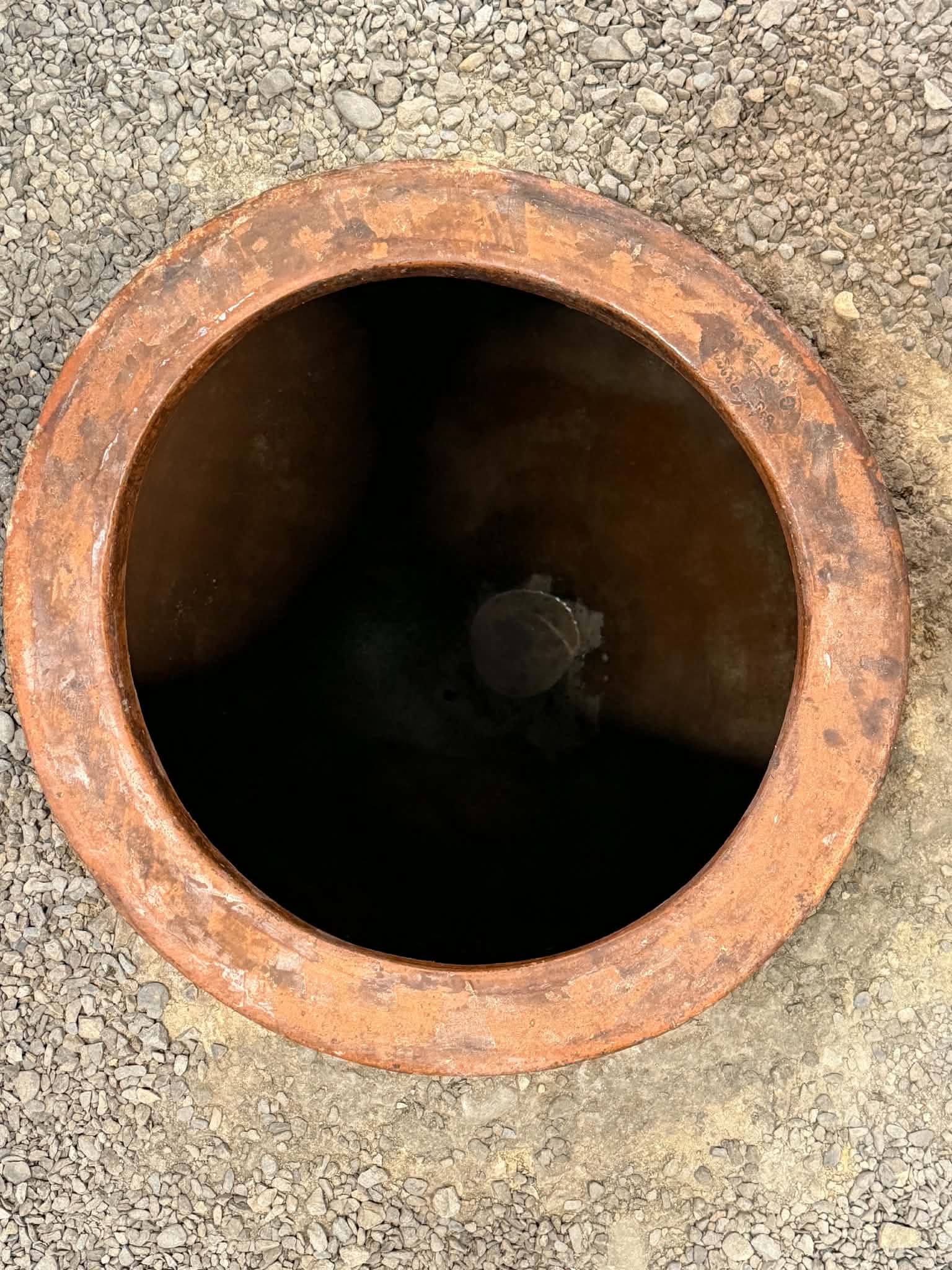
PERSONAL ARRANGEMENTS
Tell us what a perfect visit looks like.
Share your dates, guests and interests. We will confirm availability, details and the price personally. Nothing is booked until we confirm.
Advance booking recommended · Cash payment only · No online payment