Qvevri as living practice
Qvevri is not decorative heritage. It is one of the clearest ways Georgian wine still carries its oldest methods into the present.
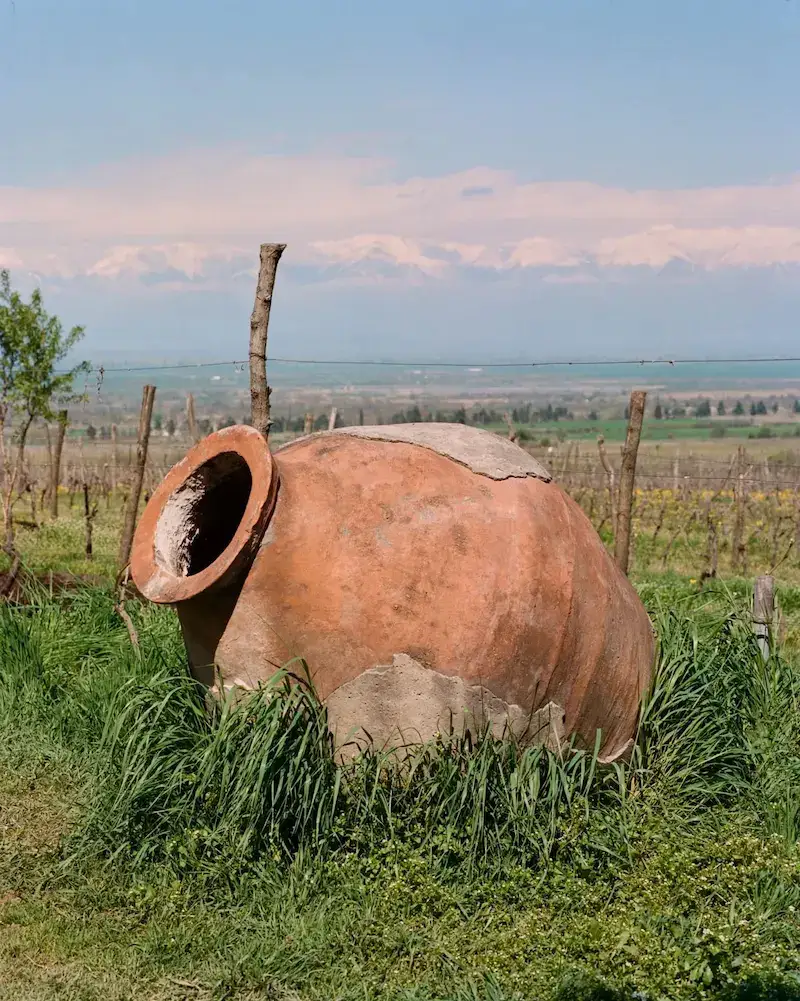
Georgian Wine Tradition
Georgian wine tradition is not simply about age. It is about continuity. Wine in Georgia has remained part of family life, hospitality, religion, agriculture, and regional identity for thousands of years.
When people search for wine in Georgia, many of them are really searching for tradition: qvevri buried in the earth, local grape varieties, meals built around wine, and hosts who still speak about wine as culture rather than product.
In Sighnaghi and Kakheti, that tradition still feels alive. It is visible in how wine is made, served, discussed, and shared with guests.
What Tradition Means
Qvevri is not decorative heritage. It is one of the clearest ways Georgian wine still carries its oldest methods into the present.
Kakheti matters because it connects climate, vineyards, family knowledge, and one of the strongest wine identities in the country.
Travelers remember Georgian wine not only for taste, but for the conversations, tables, and atmosphere that come with it.
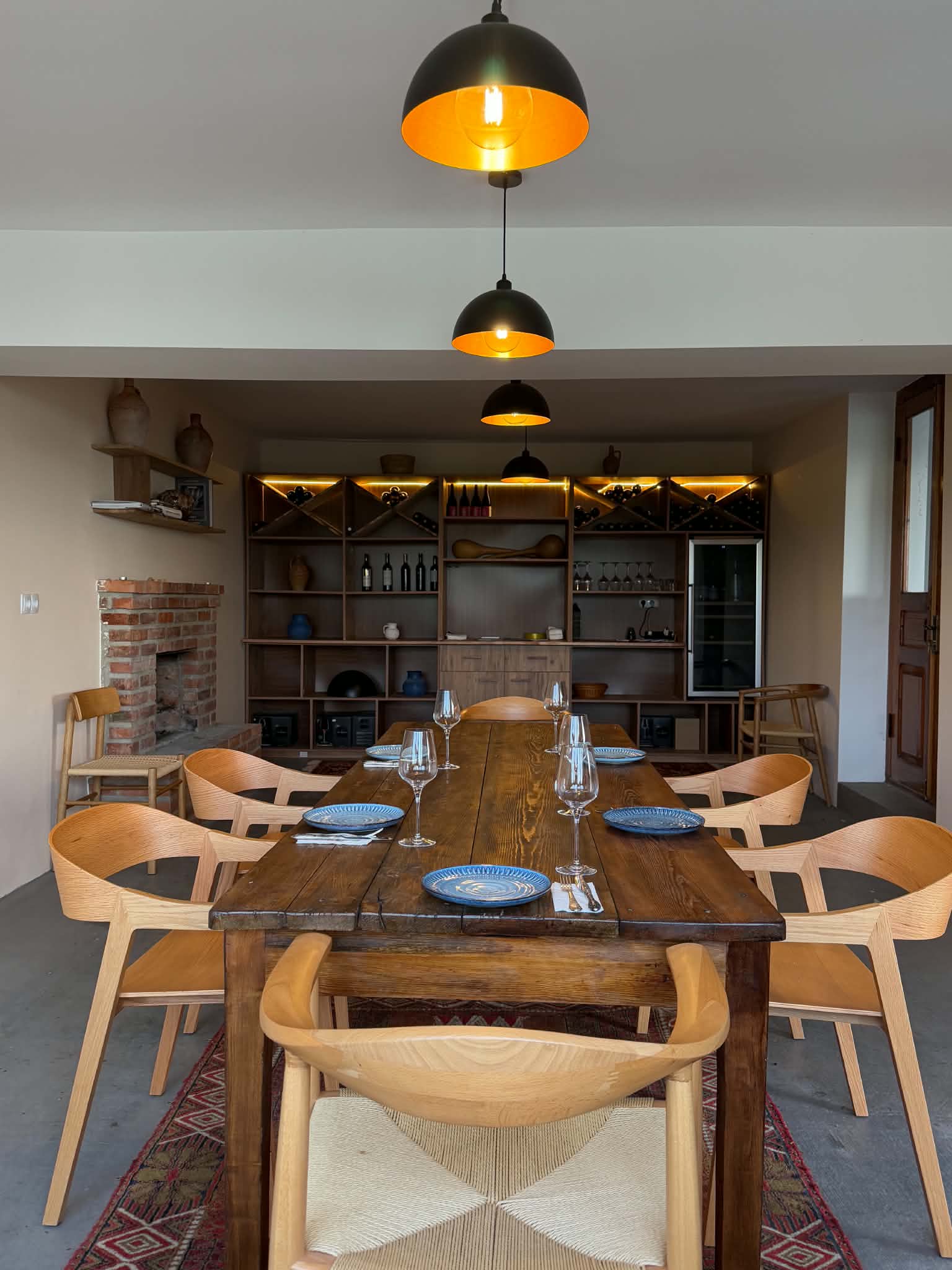
Experience The Tradition
Georgian wine tradition becomes clearer around a table: through the wines, local food, stories about qvevri, and the hospitality that connects guests with the place.
The strongest next step is to connect this cultural interest with a real wine tasting in Kakheti, a stay in Sighnaghi, or a deeper read on qvevri wine in Georgia.
Questions Travelers Ask
Qvevri is one of its strongest symbols, but the tradition is broader: grapes, family knowledge, regional identity, and hospitality all matter.
Kakheti is the clearest region to start with, especially for visitors interested in wine, vineyards, and direct winery visits.
Yes. ROKA NATURALS accepts direct tasting and visit requests through WhatsApp and the contact page.